

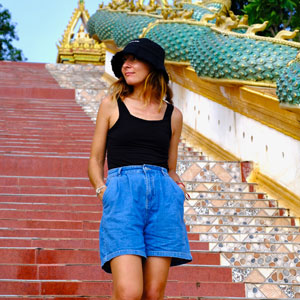
Benvenuto qui! If you’re looking for ideas for a holiday in Italy, you’ve come to the right place, because my boyfriend and I love this country! We visit whenever the opportunity arises. After Venice, Tuscany, Rome, Naples and the Amalfi Coast, and our trip to Puglia, we were keen to discover a new facet of the Italian boot.
For ten days, we’ll be sailing between the lakes of northern Italy and the Cinque Terre.
Around the lakes, winter brings softer light and sharper contrasts: the lightly snow-capped mountains redraw the contours of the landscape and give the shores a special elegance. Take time to contemplate, to walk along the water, to savor the clear, peaceful atmosphere.
Then come the Cinque Terre, clinging to the Ligurian coast. In this holiday season, the atmosphere is very much alive and the streets are bustling with activity, as the Italians are also on vacation. Colorful facades and the sea create a lively backdrop, contrasting with the serenity of the lakes.
So, if this winter getaway inspires you, I’ll tell you all about our itinerary, our good addresses and all our tips for preparing yours.
Preparing for your departure
To make the most of your stay, I recommend booking as many things as possible in advance, as the lakes and the Cinque Terre remain popular tourist destinations, especially during the vacation season.
For flights
Being from Nantes, we chose Volotea to fly us from Nantes toBergamo-Orio al Serio airport, close to Milan. It’s the easiest way to get to the lakes and then on to the Cinque Terre. As we had no children of our own, we were able to book a return date after the start of the school year in January, which enabled us to take advantage of much more attractive return flight fares and pay a total of less than 400 euros return for two, including luggage.
As for luggage, if you intend to travel again this year to destinations proposed by the airline, I recommend buying the “Mégavolotea” package, offered at €79.99/year, which allows you to take a 10kg suitcase in the cabin and obtain other discounts.
For car rental
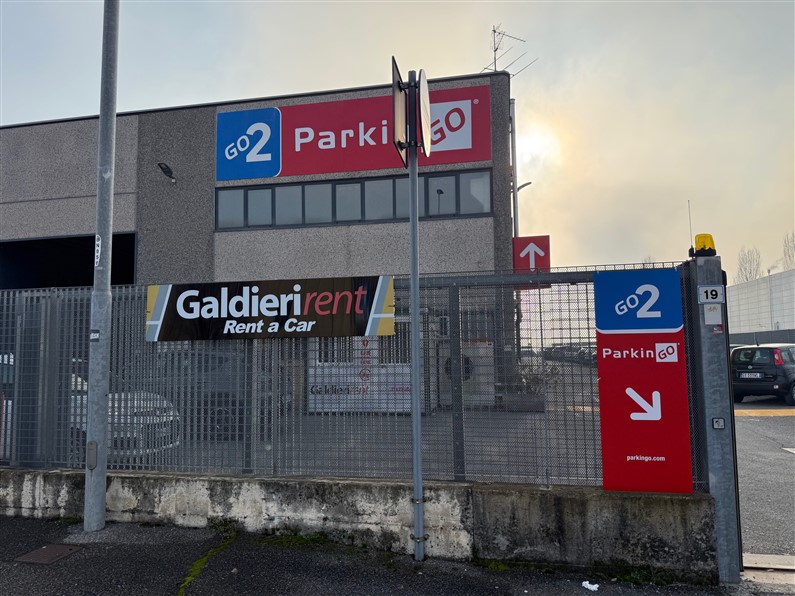
For our excursions around the lakes, we rented a car via BSP Auto, a car rental comparison service that we usually consult to get the best rates. We chose Galdieri Rent, a low-cost agency located on the outskirts of the airport, because the rate was more than unbeatable: 24 euros for a 4-day rental. Yes, 24 euros! But be careful, for this you need to follow these essential tips:
- Pay with a bank card with deferred debit, and GOLD if possible: for many vehicles rented abroad, this is often the type of card required by rental companies. Your credit card must be marked “CREDIT”. Without it, they may not want to deliver the vehicle or ask you for more money. This is crucial for rental agencies, who often need to block a deposit for several days. Even if you don’t use it much, I recommend that you talk to your banker about getting one. You should also check the insurance available with this card. GOLD cards often cover damage to rental vehicles, so you won’t have to take out the additional insurance offered by the rental company.
- Film the car from all angles at the start. This point is also very important to avoid the agency billing you for damage or scratches for which you are not at fault.
- Refuse any additional services they try to sell you. In winter, for example, they tried to sell us the additional service of renting chains for the tires, on the pretext that it was compulsory and that we risked a fine if we didn’t take them. We checked the local weather forecast for snow on the days we had the vehicle, and decided to give it a try by signing a waiver. In the end, we had no police checks and no need for chains. All in all, a saving of 25 euros! The cost of a rental car.
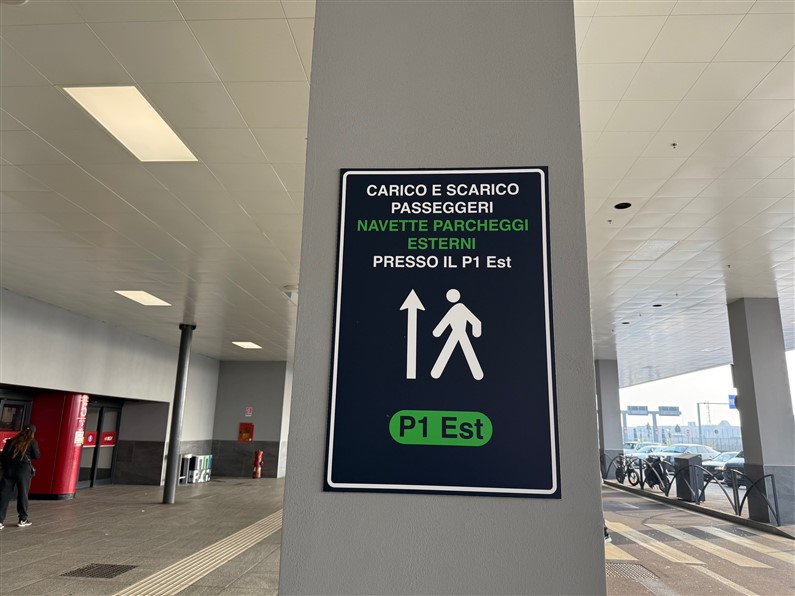
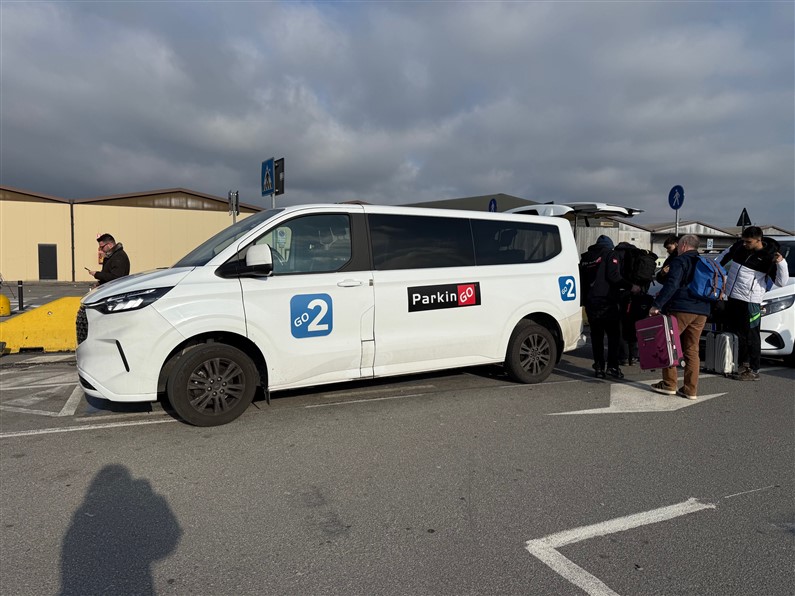
If you’re worried about the fact that the agency is located on the outskirts of the airport, don’t panic! Having tested it, it’s very easy to get to. Just follow the signs out of the airport to the free shuttles that will take you there. It takes just under ten minutes. When you return your vehicle, simply take the rental company’s free shuttle back to the airport, and then take the bus to Milan Centre.
Last practical tips for the car:
- Some stretches of freeway around the lakes have no physical tolls. I therefore advise you to make a note of the website you need to visit to make your payment in the next few days.
- Many of the villages around the lakes have speed cameras. Watch your speed to avoid unpleasant surprises when you return from your trip!
For accommodation
As always, we favor home exchange when we can, as it’s a way of immersing ourselves in the local culture, and traveling more in slow travel mode. We love the idea of coming to our hosts’ homes with regional specialities in our suitcases, so that they too can discover our gastronomy.
For this stay, we were very lucky, as we found two accommodations available: one near the lakes in Cassago Brianza, perfect for day trips. The second was in Genoa, in the Nervi district, a charming spot around the old fishing village, with its colorful houses and the Passeggiata Anita Garibaldi, a seaside path. It was ideal, as the station facing the sea was the railway line to the villages of the Cinque Terre.
Now it’s time for my return to the Lake District.
Winter magic around Italian lakes
Lake Orta, tranquillity magnified
It’s the least well-known of the lakes, but in winter it becomes even more enchanting.
The road to the lake winds its way through snow-capped mountains, the perfect introduction to the deep blue of the lake.
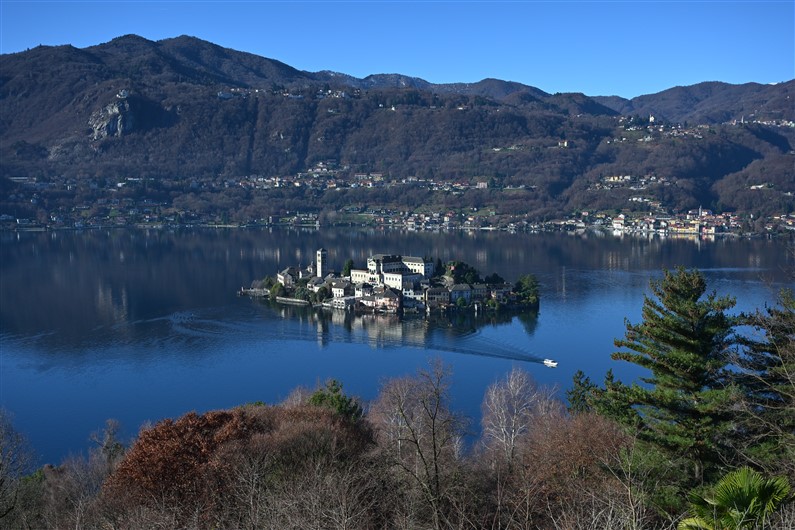
Among the walks I recommend nearby, there’s without hesitation the Sacro Monte d’Orta, a peaceful, almost mystical place where you can take the time to breathe. Perched above the lake, shrouded in trees and silence, the Sacro Monte d’Orta offers this kind of suspended parenthesis. Here, you slow down almost in spite of yourself. The path invites you to look up, listen and breathe more deeply.
It can be reached from Orta San Giulioa charming village of ochre facades and cobbled alleyways, where you already feel as if you’ve changed tempo as soon as you step out of the car. The Sacro Monte is made up of twenty chapels dedicated to the life of Francis of Assisi. When you put it like that, you might think the visit would be a little austere. In fact, the opposite is true. Each little building houses scenes in polychrome terracotta, theatrical, expressive, almost vibrant. As you approach the gates, you observe the faces, the gestures, the gazes raised to the sky. It’s baroque, incarnate, sometimes surprisingly moving. Even if you’re not particularly sensitive to religious themes, you’ll be carried away by the atmosphere.
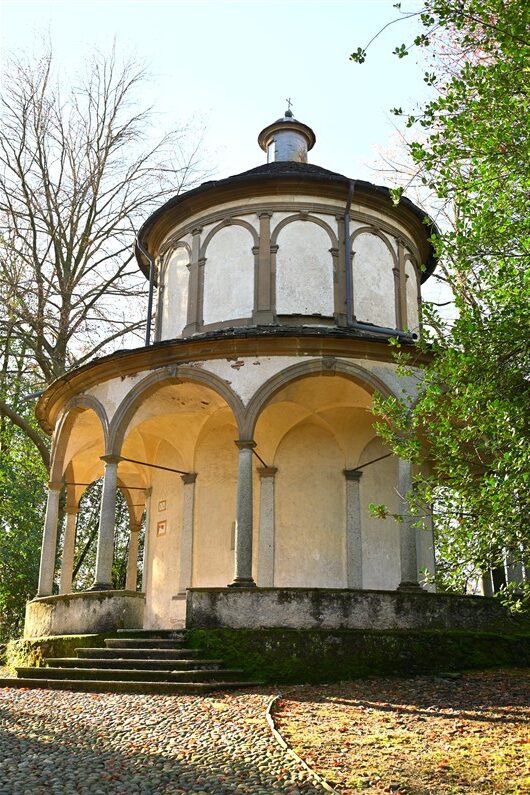
What makes this walk so beautiful is the constant dialogue between art and nature. Chapels appear at bends in the road, lying on the grass or in the shade of trees. The path winds along smoothly, perfect for a leisurely walk of an hour and a half to two hours, taking your time. You stop at a low wall, and then, through gaps in the vegetation, the view opens out onto Lake Orta, with the delicate Isola di San Giulio in the middle. The kind of panorama that makes you want to take out your camera!
No wonder the site is a UNESCO World Heritage Site.UNESCO World Heritage Site, along with the other Sacri Monti in Piedmont and Lombardy.
Lake Maggiore with Stresa and the Borromean Islands
After the almost confidential sweetness of Lake Orta, we set off for our big brother: the lac Majeur. Here, everything seems a little bigger, a little more majestic. The mountains are closer, the villas are more elegant and the palm trees blend into the scenery. And then there’s Stresa.
Stresa is the kind of town where you immediately feel at home. A stroll along the lake, ancient facades that tell stories of Italy, and this immense lake with the Alps in the background… We chose to leave the car on the heights, a little out of the way to take advantage of free parking, and then walk to the center of Stresa. A short distance that allowed us to start exploring the town slowly, without stress.
Before crossing to the Borromean Islands, we first took time for lunch. We sometimes treat ourselves to very good restaurants(you’ll find a good address for Lake Como), but otherwise we’re used to finding small, reasonable and delicious local places. I’d recommend these in Stresa:
- Gastronomia I Salti in Bocca for simple, delicious Italian cuisine. Please note that places are limited, as this is basically a caterer, so come early!
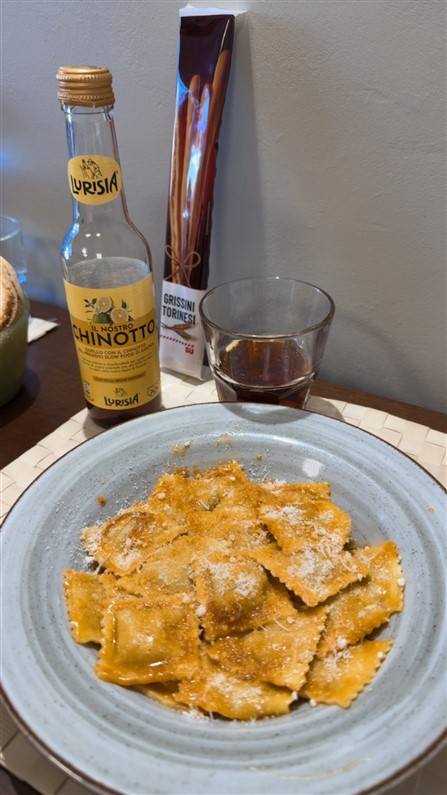
- Il Fornaio for pizza by the slice to take away and nibble by the water.
- Cicini Panini al Metro for generous paninis, perfect for an impromptu picnic by the lake.
After lunch, we head for the lake. To reach the islands, there are two options: public boats, which are cheaper but less frequent, especially in winter, or private boats, which are more flexible if you want to visit the islands at your own pace. Count 15 euros for 2 islands per person (return) or 10 euros for a single island.
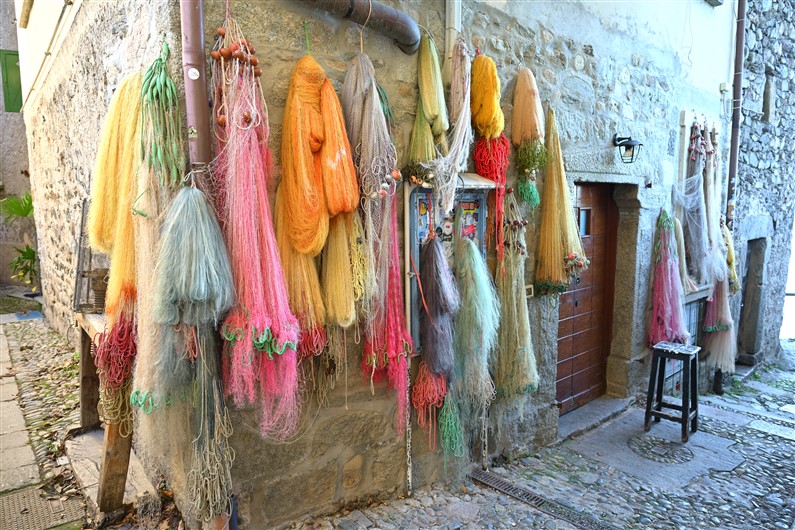
The first one we visited was Isola dei Pescatori. Small and charming, with its narrow streets and colorful houses huddled close together, it’s the most picturesque with its old village. We enjoyed wandering through the cobbled passageways, watching the fishermen and their boats moored on the shore, and taking in the simple, authentic atmosphere, almost frozen in time.
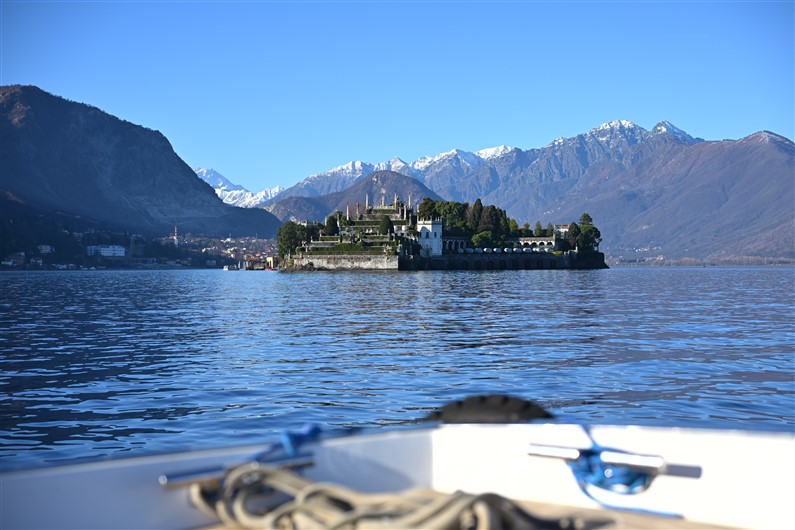
We then took the boat back to Isola Bella. Here, everything changes: this romantic, bucolic island is spectacular, dominated by the magnificent Palazzo Borromeo and its terraced gardens that slope down to the lake. Between statues, flowers and cypresses, every landing offers an incredible view of the lake and the other islands. We took our time, simply marvelling.
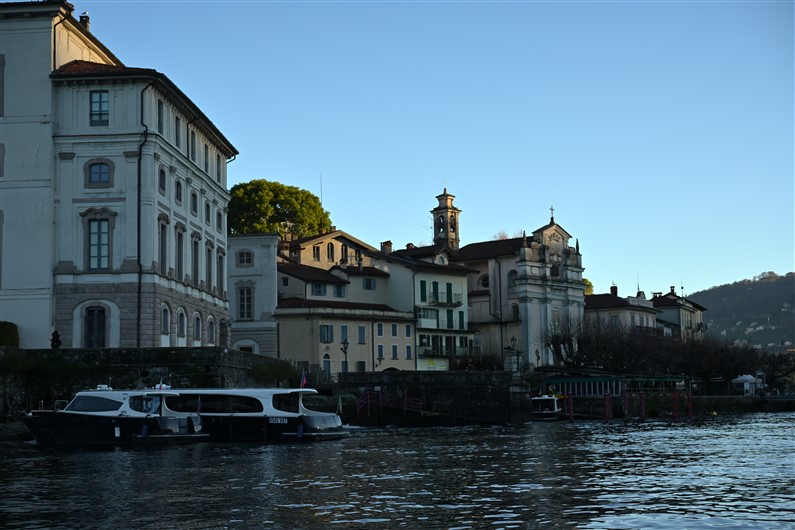
Lake Maggiore struck a balance between beauty and authenticity. You can admire grandiose palaces and spectacular gardens, then a few minutes later find yourself in a quiet alleyway with a fisherman returning to port. It’s this mix of calm and grandeur that makes the place so endearing.
Lake Como: elegance and postcard landscapes
After Orta and Lake Maggiore,Lake Como brings this Italian trio to a fitting close. Nestled in the heart of Lombardy, this inverted Y-shaped lake reveals historic villas, lush gardens and pastel villages clinging to the mountains. To get the most out of it, you’ll need at least two days: the first day devoted to the city of Como and the western shore, then a second to explore the eastern shore and its treasures.
The city of Como itself is well worth a visit: its majestic Duomo, elegant alleyways, lively little squares and refined boutiques. It was here, in fact, that I discovered a confidential address: Acqua del Lario, an artisanal perfumery that literally captures the soul of the lake in its fragrances, a unique and delicate olfactory souvenir that I treated myself to! I fell for Passeggiata.
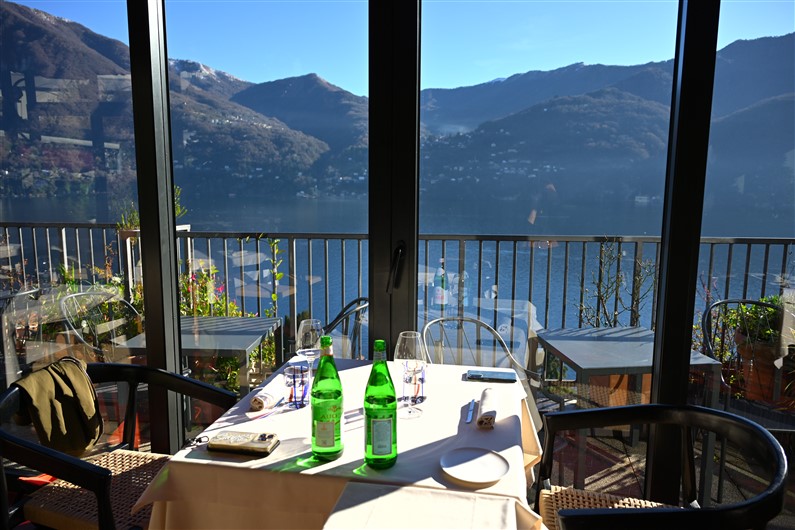
For lunch, my darling had given me this gift for Christmas, a panoramic restaurant with a breathtaking view of the lake. We headed for Una Finestra sul Lago in Carate Urio. The menu was perfect, I thought, because it wasn’t too stuffy, with delicious pizzas and very original pastas.
After this delicious meal, we arrived for a digestive stroll to Villa del Balbianello, a must-see during your stay. Perched on a wooded promontory in Lenno, this 18thᵉ century villa, now managed by the FAI (Fondo Ambiente Italiano), is famous for its sculpted gardens and spectacular views of the lake and mountains. A (rather steep) climb of around twenty minutes allows you to get there on foot, and believe me: every step is worth it, especially in winter when the place seems almost secret… but prized! I recommend booking your tickets in advance to avoid any nasty surprises.
Its romantic, cinematic ambience is immediately apparent. So it’s no surprise to learn that the villa was used as a set for scenes from Star Wars: Episode II – Attack of the Clones and Casino Royale. Sculpted terraces, cypress-lined driveways, golden light on the water… everything is theatrical.
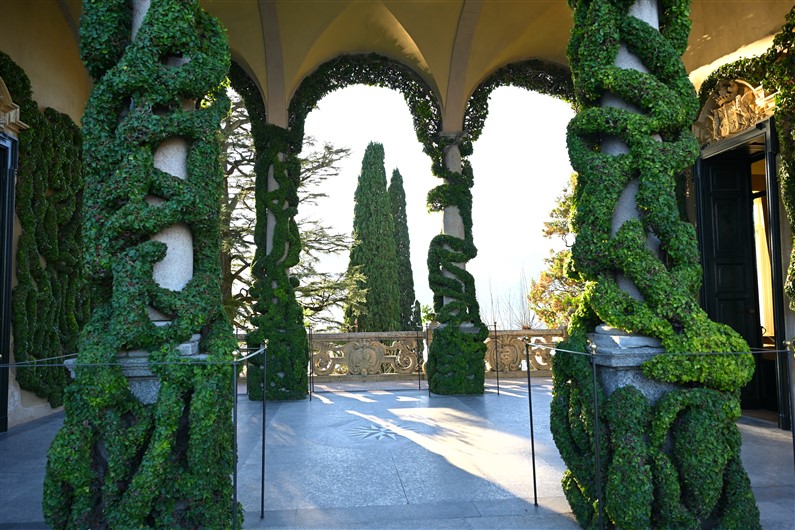
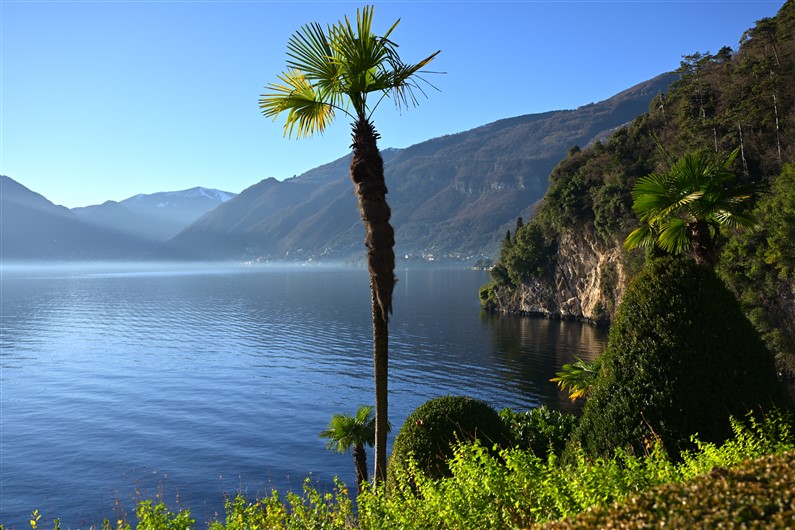
When it comes to villages, not all are equal, depending on the time you have available. Menaggio, pleasant and lively, can be a pleasant stopover, but it’s not essential if you’re on a tight schedule. Varenna, on the other hand, is a must: more intimate, more colorful, with its flower-filled stairways leading down to the lake. The gardens of Villa Monastero offer a spectacular botanical walk along the water’s edge. As for the villa above, check opening times and days, which vary according to the season. Just above the village, the Castello di Vezio dominates the lake: vertiginous panoramas and the silhouettes of ghostly statues make for a singular visit.
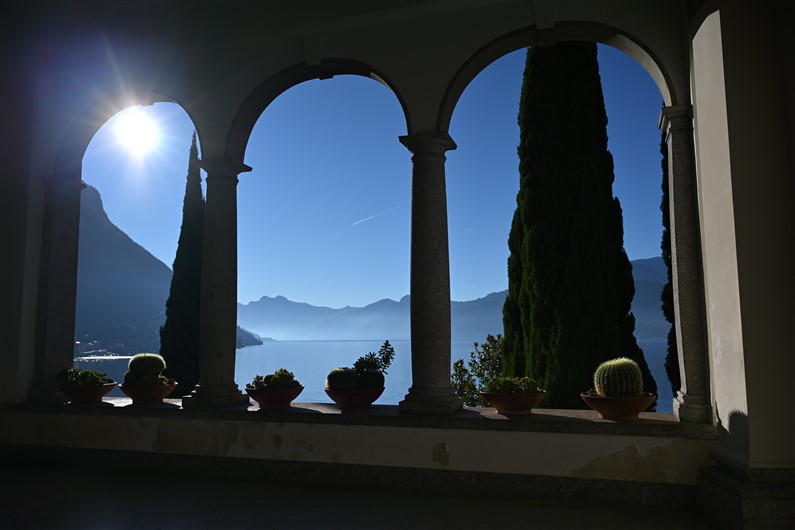
On the eastern shore, Lecco is a great place for a stroll along the water’s edge, with the Alpine peaks as a backdrop. And for a sweet break, it’s impossible to resist GROM, Italy’s iconic ice cream parlour, renowned for its ice creams made from natural ingredients.
If you still have time, Bellagio, the “pearl of the lake”, seduces with its cobbled streets and elegant villas, while Nesso charms with its rougher atmosphere and spectacular natural gorge (the Orrido) crossed by an ancient stone bridge.
As you can see, Lake Como is a destination to be savored slowly. Between Alpine panoramas, mythical villas and romantic villages, two days are not enough to fully appreciate its diversity… and perhaps understand why, here more than anywhere else, time seems to stand still.
Les Cinq Terre, colorful jewels suspended between sea and cliffs
After a few days in the Lake District, it’s time to move on from the mountains to the coast.
We drop off the rental car and take the shuttle back to the airport to catch a bus to Milan’s central station. This is by far the cheapest and most popular option for covering the 50 kilometers. Several bus companies, such as Terravision and Autostradale, offer these shuttles, which are located at the far right of the airport (opposite the rental car shuttles). The journey takes around an hour and costs a maximum of 10 euros online. Tickets can be booked in advance so that you can board the bus directly on arrival. If you wish to do so on the spot, this will cost you an additional two euros.
We arrived in Milan, where we had a well-deserved lunch break before taking the train back to Genoa. By the way, I recommend a very good and affordable restaurant right next to the station: San Giorgio Ristorante-Pizzeria dal 1999. For the record, we visited Milan on the last day before our return to France, as we booked a night in a hotel close to the airport because our flight was so early in the morning.
If you’d like to leave your luggage for a few hours, you can do so in lockers at the station exit or in some stores that offer this service. It’s a great idea, especially when you know that the sales in Italy start at the beginning of January!
Genoa, the discreet charm of Liguria
Genoa immediately appealed to us for its real-life feel, far removed from the over-sold clichés of Italy’s big cities. Luckily, our accommodation was ideally located, in the Nervi district. When we discovered that the bus stop was right in front of the sea, and that to get to our apartment we had to walk along an embankment alongside the sea, we were immediately hooked.
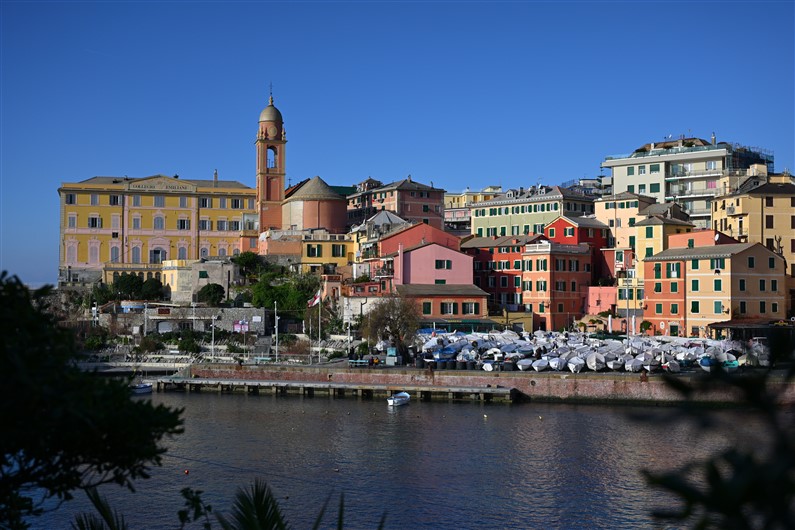
Before heading off to the villages of the Cinque Terre, we indulged in a few experiences and strolls around the city. Among them was this gift from my sweetheart for Christmas: to learn the true art of artisanal Italian ice cream with a professional ice-cream maker, winner of international awards. It was a truly original, gourmet experience that we absolutely loved! He found this unlikely experience on the Airbnb website, which now suggests activities. After this moment, we continued with the Italian delicacies by succumbing to the famous Foccacia. Yes, Genoa is famous for two specialties: Foccacia and Pesto. And to give you the background and best addresses for these two flagship products, what better than to put your trust in people who love Italy? I recommend Gaël’s blog: La Tavola di Gaël.
Another lovely moment was when we took the funicular up to Righi, another district on the city’s heights, which offers a lovely panorama at sunset. Don’t forget to bring your aperitif to enjoy the view in peace!
Finally, if you like the atmosphere of small villages and colorful harbors, you can take the n°15 bus to the Boccadasse district.
Make way for the raw beauty of the Cinq Terre
After the muted softness of Italy’s lakes and the energy of Genoa, we now turn our attention to one of Italy’s most mythical landscapes: the Cinque Terre.
Five villages clinging to the cliffs, sun-kissed houses, an endless sea, and the permanent impression that the mountain plunges into the water.
Even in winter, and despite the ever-present crowds, the magic happens instantly, because Cinque Terre is more than just beautiful seaside villages. It’s also a park, a living landscape shaped by paths, cliffside vineyards and an ancient history where every alley, balcony and cove has a soul.
Arriving by train along the coast, weaving through tunnels and reappearing above turquoise coves… it ‘ s already a sight to behold, and at every stop a new scenery is revealed. For me, this is undoubtedly one of the most beautiful rail lines in Europe.
However, to make the most of your stay, it’s best to organize your visit.
The Cinque Terre Card: how does it work?
If you want to visit the Cinque Terre like we did, i.e. without a car, either by train or on foot (you can also use the official hiking trails and the train between villages), there’s a card issued by the Parco Nazionale delle Cinque Terre called the Cinque Terre Card. We didn’t buy it, old adventurers that we are and preferring to fend for ourselves, but I thinkit’s essential, so I highly recommend you go to the website to book it.
This is the park’s official pass, and depending on which one you choose (whether you want to do the trails, take the train etc…) it gives access to several essential services, such as unlimited train travel between villages, access to trails, and even access to the famous Via dell’Amore (the romantic trail between Riomaggiore and Manarola) if it’s open. Yes, due to mass tourism, it has recently reopened with a separate paying ticket in some cases (this may change depending on the season). Personally, we preferred not to pay and to take a footpath on the heights of the town!
If you haven’t bought your ticket in advance, you can always pick it up directly at the ticket office in a reception center or station. It is nominative and must have your name on it.
A little practical advice before hitting the town streets
Before you set off, don ‘t hesitate to plan your day. And if possible, plan to arrive early in the morning in the most popular villages, such as Vernazza or Manarola, to avoid the crowds, even in the off-season.
The same goes for the hiking trails. They’re spectacular, but sometimes they’re closed or undergoing maintenance: it’s best to check the park’s website beforehand. What’s more, having hiked one, the trails can be rough, especially those that climb between villages, so forget flip-flops and bring good shoes and hydration.
Village presentation
Monterosso al Mare, the gentle seaside resort
Our first stop is Monterosso al Mare, the largest and most open of the villages. It’s the perfect place to start: breathe in the sea air, walk quietly along the water’s edge, soak up the scenery without climbing too quickly.
A pleasant, soothing village… but not the one that upset us most. This is where we ate the perfect foccacia: at Il Frantoio.
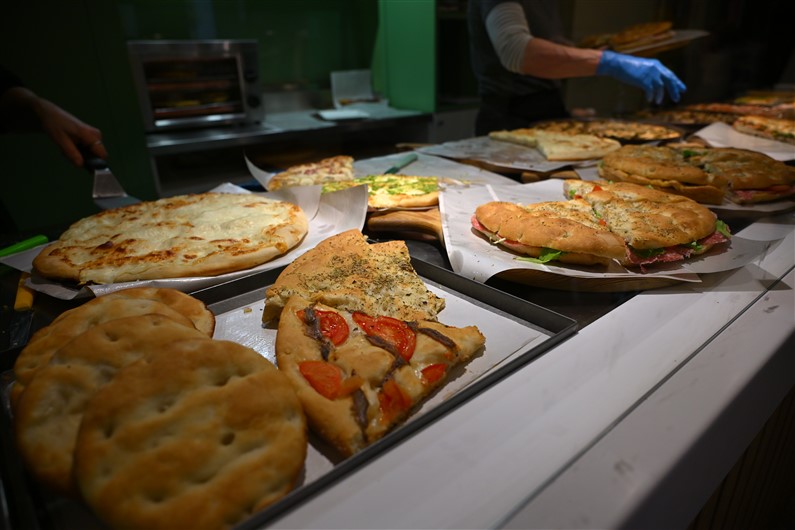
Don ‘t hesitate to eat early at the best places, as the villages are so popular that some restaurants may be fully booked and there may not be much left. Otherwise, you’ll be forced to turn to the tourist traps.
Vernazza, the visual slap in the face
Then comes Vernazza. And now it’s clear why everyone’s talking about it. The small arched harbor, the colorful facades reflected in the water, the boats lined up as if in a painting… Vernazza is the perfect image of the Italy of your dreams.
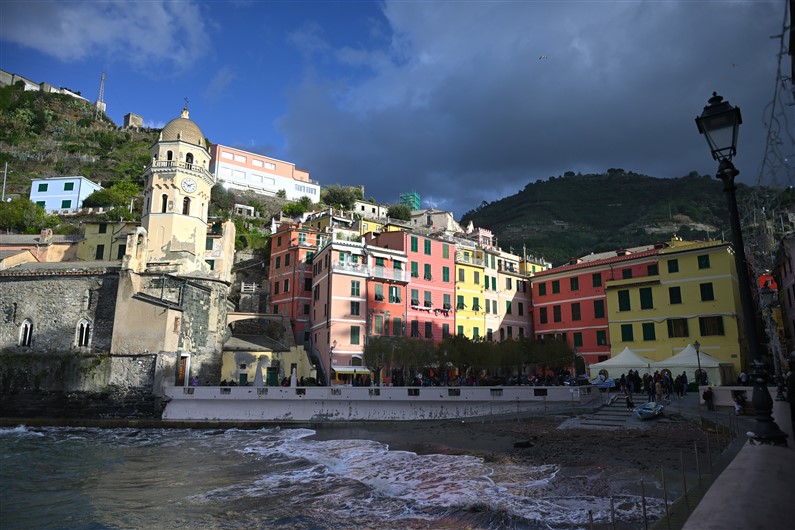
But the real shock comes when you get a bit of height.
Walking along the path towards Monterosso, you discover this mythical panorama: the village suspended between sky and sea, surrounded by terraced vineyards. A wonderful moment. One you’ll never forget.
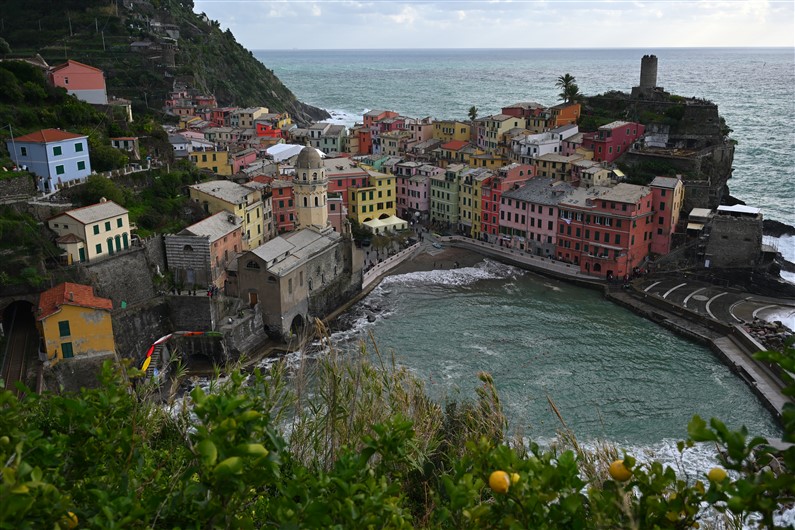
Corniglia, perched high
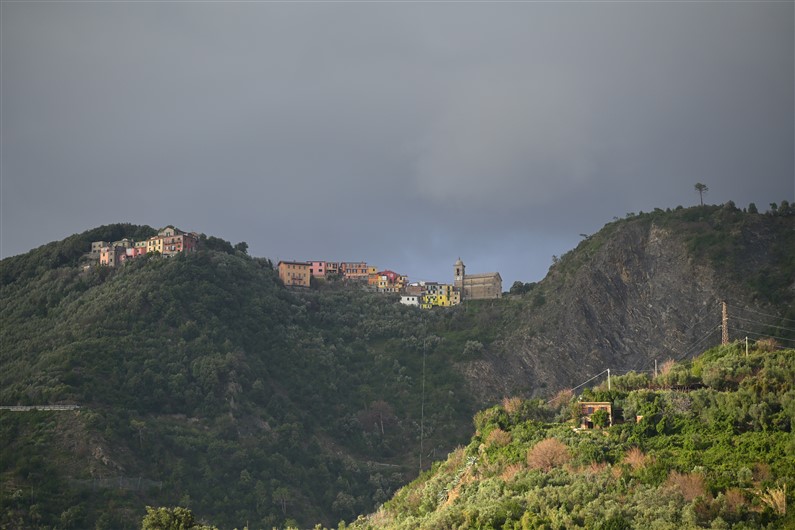
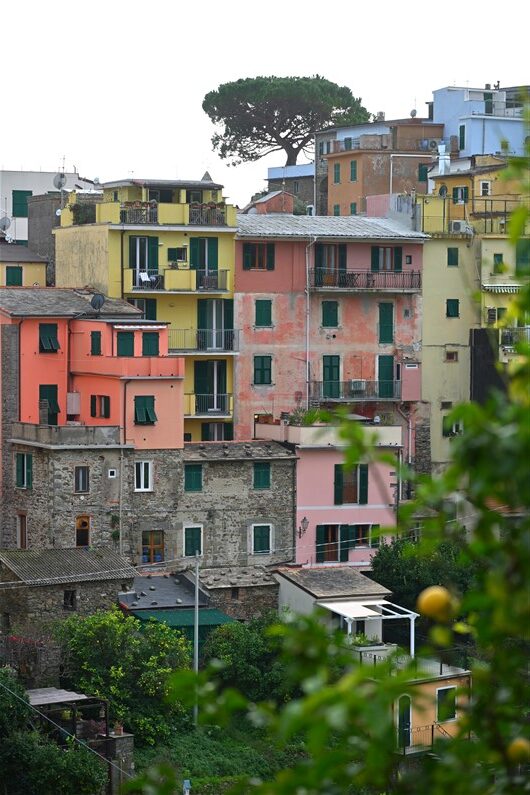
Change of atmosphere with Corniglia. No port here. Corniglia overlooks the sea from the cliff, like a natural balcony on the horizon. Access is by a long staircase (or a not inexpensive shuttle bus, 2.50 for the climb!), but the effort is amply rewarded.
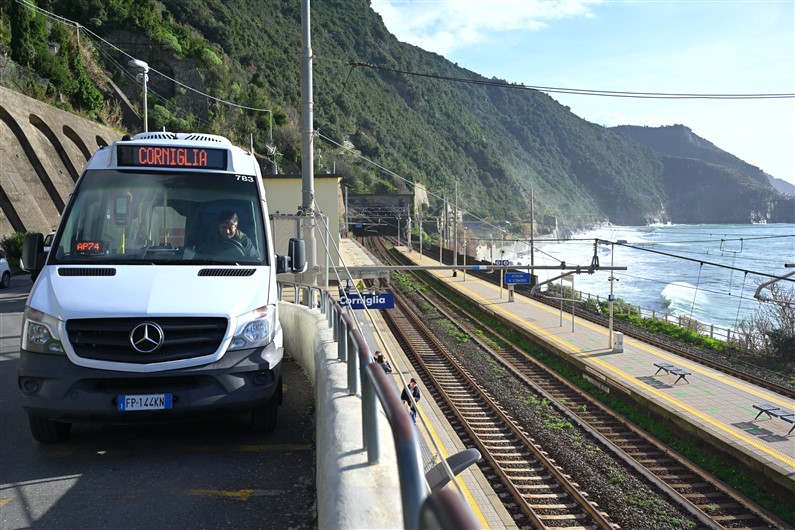
The crowds dissipate, and the atmosphere becomes calmer, almost intimate. We discover a more rural village, surrounded by vineyards, with breathtaking views over the Mediterranean. This is probably the most authentic of the five, where you can still feel the gentle pulse of local life.
Manarola: my absolute favorite
And then… Manarola. The one that left me speechless. Built on a dark rocky promontory, Manarola seems to rise out of the rock. Its pastel houses are piled high above the water, contrasting with the deep sea below. You stroll around aimlessly, your face not knowing where to look, you climb the narrow streets, you sit facing the horizon, you watch the waves crashing against the rocks.
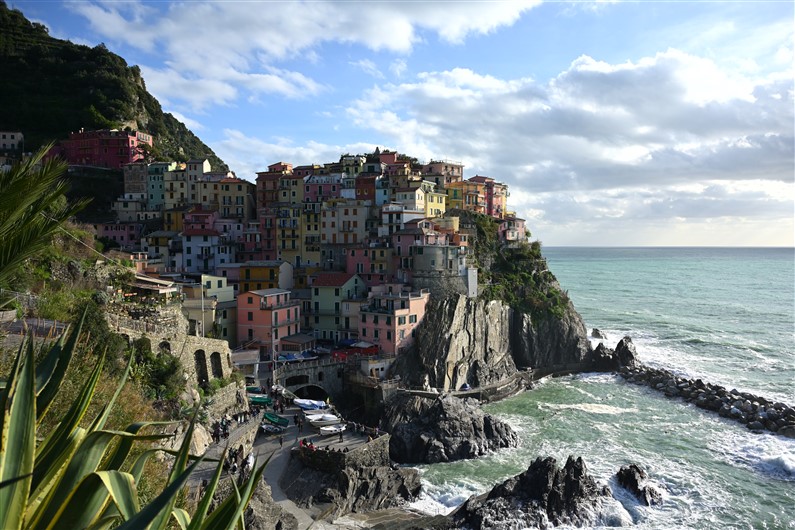
As the sun sets, the village turns pink and gold. An almost unreal moment. It was here that we fully experienced the poetry of the Cinque Terre.
Riomaggiore, more raw and vibrant
Last stop on the Cinq Terre: Riomaggiore. More vertical, Riomaggiore stretches down a narrow gorge to the sea.
The houses seem to be stacked endlessly, like a colorful construction set.
To reach it, we decided to take the footpath on the heights of Manarola rather than the train.
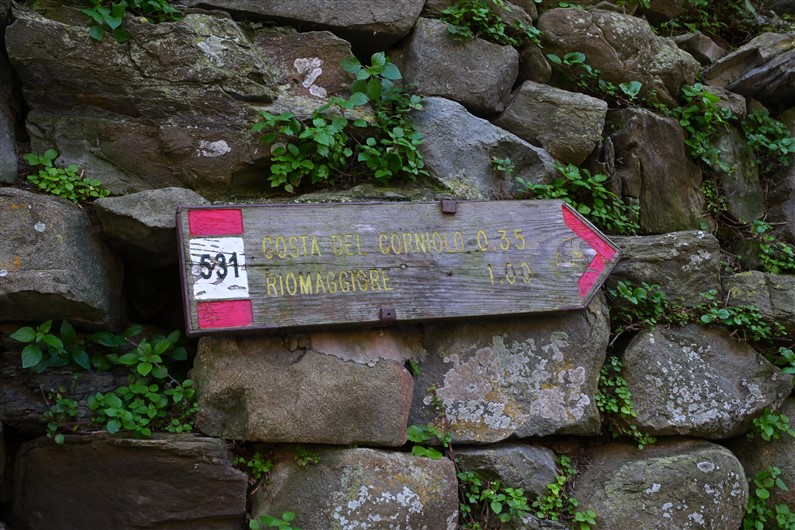
We could have taken the via dell’Amore, a kind of embankment overlooking the sea, a little over a kilometer long, but they didn’t bother with the price, so we checked google maps and found another path, which I prefer to warn you climbs. Count on a short hour with a few photo breaks, but it’s well worth the detour and the effort, as the panoramas over the heights are magnificent.
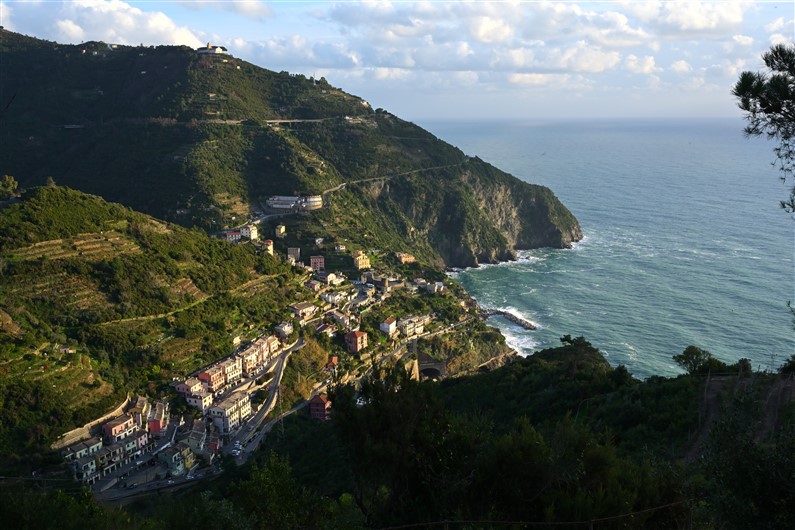
And after the effort, you’ll appreciate even more the arrival in the village for a last Spritz before the return trip.
So much for this article and this trip between lakes and sea, straddling snow-covered landscapes and coastal villages, which once again confirmed just how multifaceted, generous and inspiring Italy is. We love discovering and rediscovering it. I hope I’ve also inspired you to take a few days off to enjoy this dolce vita.
As usual, I’ll be in touch if you have any questions on the subject, and if not, I’ll see you soon for new adventures!